The Design Science
Theory and principles of permaculture. Concepts and themes of design. Systems thinking and methods for analyzing sites and creating integrated solutions.
Learn to Design Landscapes That Feed, Shelter, and Regenerate
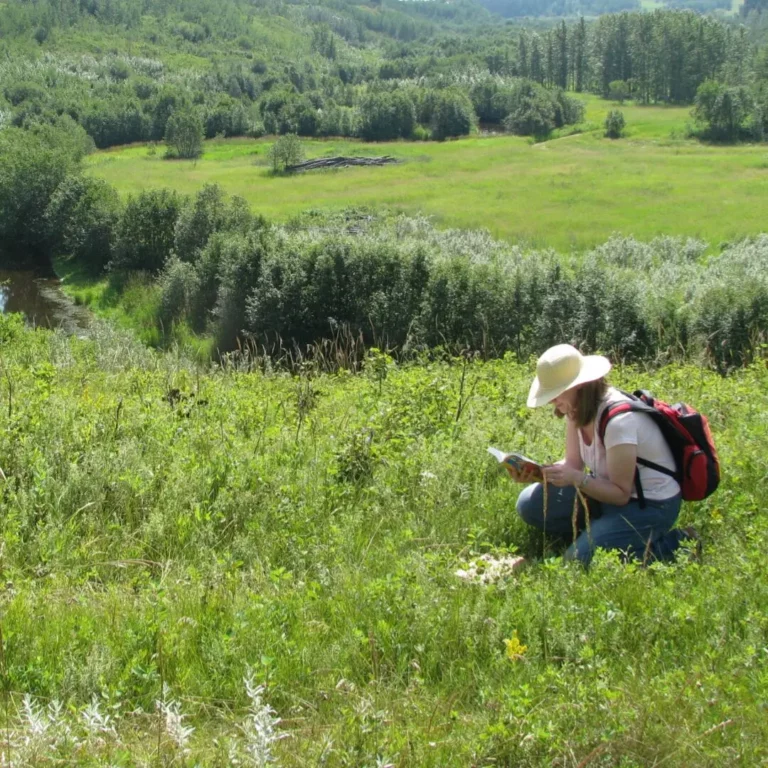
Your path to permaculture certification. July 19, 2026


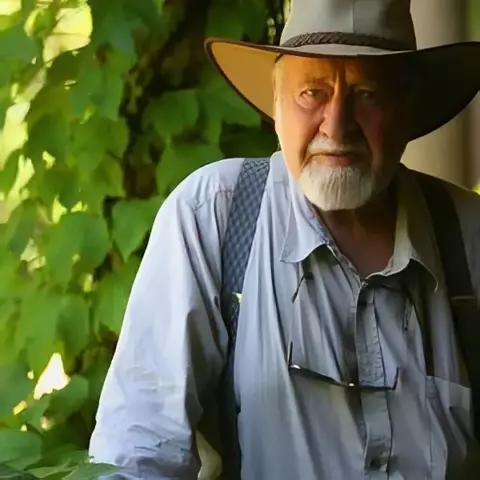
Spend 10 days living and learning on site in a whole-systems design immersion, taught by certified permaculture instructor Kenton Zerbin. Leave with the skills, confidence, and internationally recognized Permaculture Design Certificate to create resilient landscapes wherever you live
Scattered Knowledge Doesn't Build Systems
You read the books. You watch the videos. You experiment in your backyard. But the pieces don't connect into a coherent system. You want to create something that actually works, something resilient, something that feeds your family and heals the land. You need a framework, not more fragments.
Your Instructor
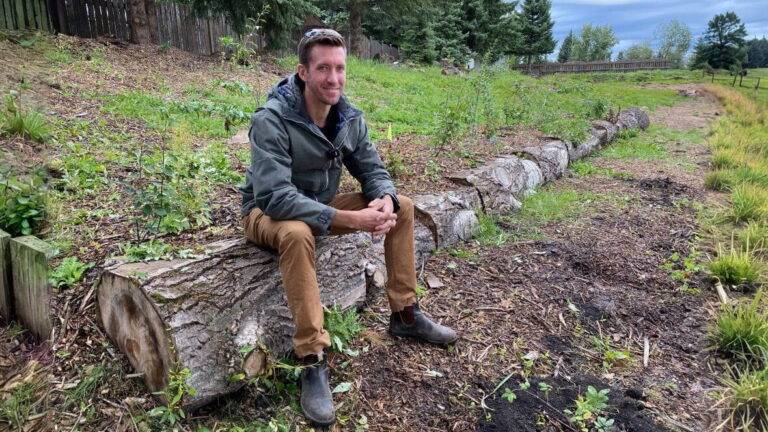
Kenton Zerbin has spent 14 years teaching permaculture across four countries. He brings real-world design experience from Canadian homesteads to tropical food forests. His teaching style is energetic, hands-on, and grounded in practical application.
14 years teaching permaculture internationally
Hundreds of workshops and talks delivered
Founder of Attainable Sustainable Academy
Press play to hear Kenton explain what makes this course different.
Design Alongside Someone Who Has Done the Work
Kenton doesn't teach from theory alone. He has designed and built food forests, natural buildings, and off-grid systems across North America, Australia, Costa Rica, and the Bahamas. Every lesson draws from projects he has completed with his own hands.
His students leave with more than concepts. They leave with confidence built through guided practice, direct feedback, and real design challenges.
He meets you where you are and pushes you toward competence you can apply immediately.
You'll work closely with Kenton throughout the course, from first principles to final design.


Good Intentions Don't Build Resilient Systems
You can read for years and still lack the confidence to break ground. Design skill comes from structured practice, not more information.
Three Steps From Registration to Certification
Secure your seat and receive pre-course materials. You'll arrive at the Change Health Center ready to engage from day one.
Spend 10 class days learning design methods, building swales, developing fruit guilds, and applying permaculture principles to real land. One rest day for river time and reflection.
Complete a one-acre homestead design and present it to your cohort. Leave with your permaculture design certificate, ongoing mentorship access, and follow-up sessions through Spring 2027.
You won't just learn permaculture theory. You'll leave with a design you created yourself.
72 Hours of Instruction Across Six Core Modules
This curriculum follows the internationally recognized framework established by Bill Mollison. You'll move from foundational principles through practical application, building design confidence with each module. Every session blends theory with hands-on practice.
Theory and principles of permaculture. Concepts and themes of design. Systems thinking and methods for analyzing sites and creating integrated solutions.
Water harvesting and management. Earthworks and resources. Strategies for drought-proofing your ecology and working with natural water flows.
House design and placement. Energy conservation techniques. Recycling, waste management, and appropriate technology for resilient homesteads.
Pattern understanding. Reading climate and landscape. Designing for different climates, windbreaks, and fire control in varied environments.
Soil health and rehabilitation. Trees and their energy transactions. Organic food production, ecological pest control, and livestock integration.
Permaculture careers and consulting basics. Hands-on design practice. Building swale systems and developing fruit guilds on the land.
You'll graduate with a completed one-acre homestead design and the skills to apply this framework anywhere.
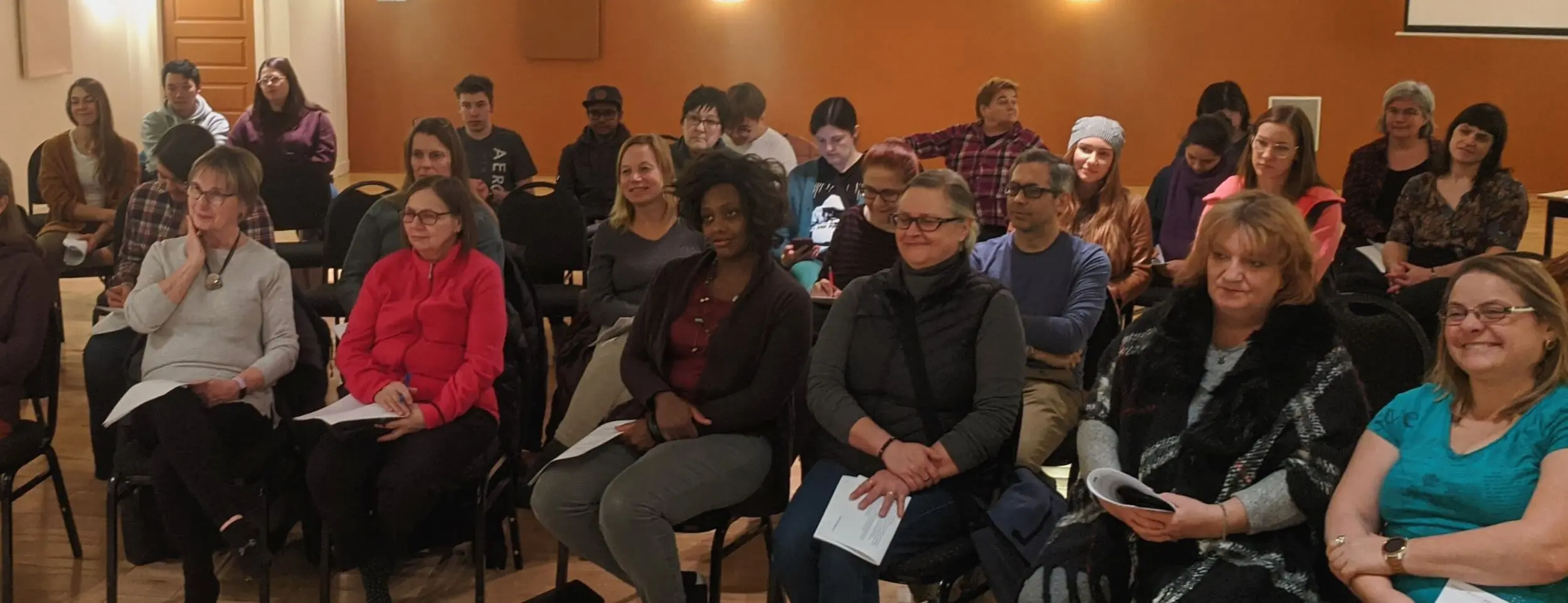
Your Seat is Waiting
Join our inaugural cohort this July. Secure your spot now or scroll down for complete details about the experience.
Two Weeks on the Land
From July 19 to August 1, 2026, you'll live and learn at the Change Health Center in Gainford, Alberta. This 130-acre retreat sits on the banks of the Pembina River, one hour west of Edmonton. Your classroom is the land itself.
| Date | Activity | Times |
|---|---|---|
| Sunday, July 19 | Check-in followed by orientation. Light supper and gathering around the fire pit | Arrival after 2:00 PM |
| July 20 – July 24 | Class days | 8:00 AM – 4:30 PM |
| Saturday July 25 | Field trip to Takota Coen's regenerative farm for a tour and picnic. Experience how permaculture principles enrich life and provide nutrient-rich food | 8:00 AM – 4:30 PM |
| Sunday July 26 | Free day for relaxation, swimming, boating, and hiking | |
| July 27 – July 30 | Class days | 8:00 AM – 4:30 PM |
| Friday, July 31 | Last day of class. Student permaculture design submissions due | 8:00 AM – 4:30 PM |
| Friday, July 31 – Evening | Graduation ceremony | 8:00 PM – Wee hours |
| Saturday, August 1 | Breakfast and departure | 9:00 AM to Noon |
Change Health Center, Gainford, Alberta
The Change Health Center is a rural retreat perched above the Pembina River Valley in Treaty 6 territory. The 130-acre property offers trails, river access, and quiet space for focused learning and restoration.
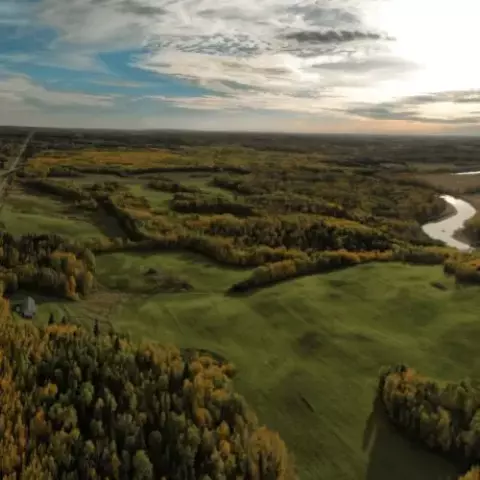
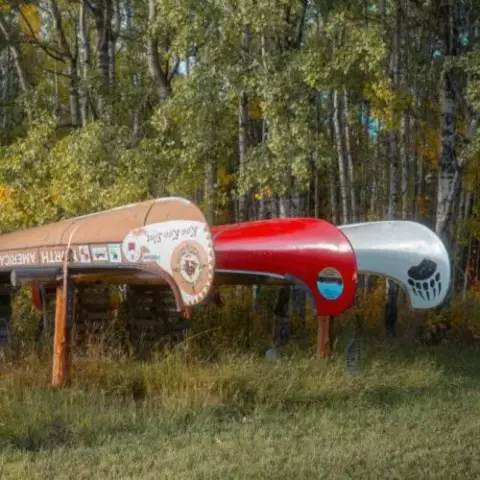
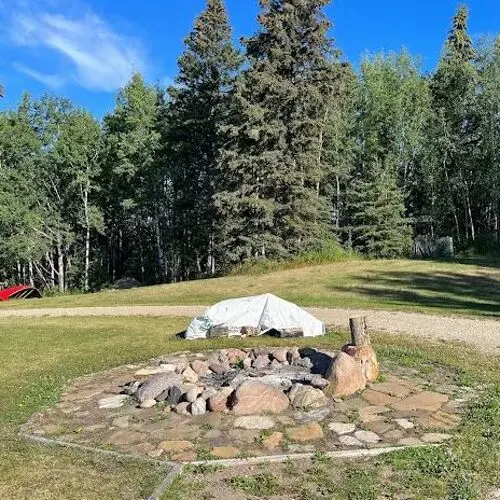
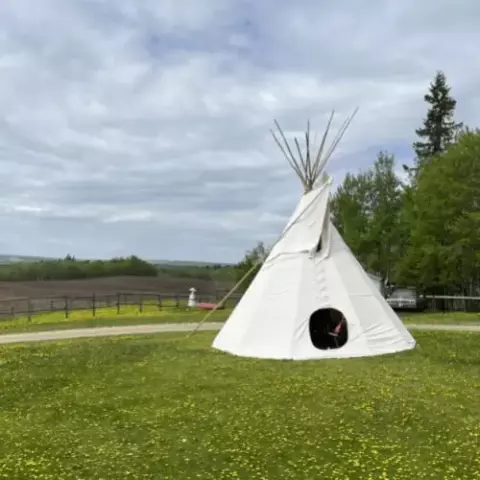
The rest day on July 26 is yours to explore. The Pembina River runs along the property, offering a place to cool off and decompress.
Between sessions and after class, the 130-acre property invites you to wander. Trails wind through the land. Evenings gather around the fire.
Swimming in the Pembina River
Canoeing and paddle boarding (available nearby)
Hiking the 130-acre property
Nature walks and explorations
Evening gatherings at the fire pit
Onsite Accommodation Included
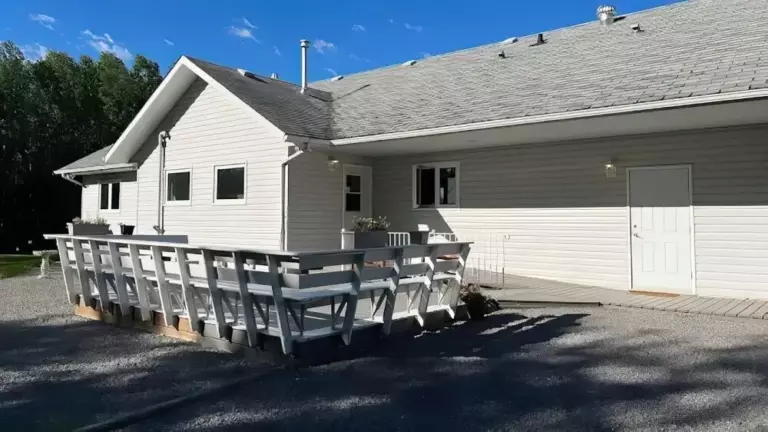
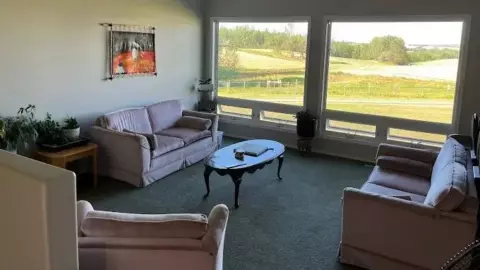
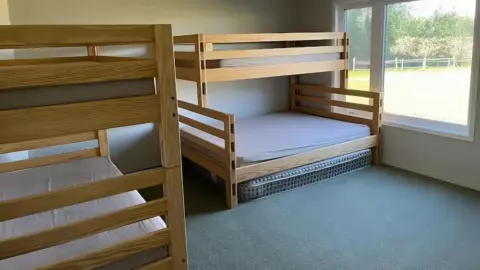
The house offers 16 beds on a first-come basis. Prefer your own space? Four tent sites are available on the property. Limited RV parking can be arranged during registration.
Shared facilities include three indoor bathrooms, two shower rooms, a games room, and a screened-in porch. Evenings often gather around the fire pit under open sky.
Living onsite with your cohort deepens the learning. Conversations continue over meals, around the fire, and on morning walks to the river.
Bring your own bedding, towels, and toiletries. Everything else is waiting for you on arrival.
All Meals Prepared Onsite
A live-in chef chosen specifically for this course, prepares every meal using locally sourced organic vegetables and ethically raised meat. Gluten-free and vegetarian options available at every meal. Note any dietary needs during registration and we'll accommodate you.


Your Investment Covers the Complete Experience
72 hours of classroom and field instruction with Kenton Zerbin. Learn design methods from a teacher with 14 years of international experience.
Build swales and develop fruit guilds on the land. Apply what you learn in real time with guided feedback.
Visit Takota Coen's regenerative farm to see permaculture principles in action. Includes a picnic lunch on a working regenerative property.
Breakfast, lunch, and dinner prepared onsite by a live-in chef. Locally sourced, organic ingredients with dietary accommodations available.
Nearly two full weeks of onsite lodging included. Choose bunkhouse beds, tent sites, or RV parking based on your preference.
All handouts, design templates, and reference materials provided. You arrive ready to learn without hunting for resources.
Follow-up Zoom sessions in Fall 2026 and Spring 2027. Stay connected and revisit lessons as you apply them.
Two months of mentoring after graduation. Get guidance as you begin your own design projects at home.
Join the Edmonton Permaculture Guild student network. Connect with your cohort and past graduates through our online community.
Pricing for the Complete Experience
This all-inclusive program covers instruction, meals, accommodation, field trips, materials, and post-course support. One price. No hidden costs. Everything you need for two transformative weeks.
Standard Price: $2,500 CDN
Early Bird price: $2,375 CDN (Save $125)
Early Bird Deadline: Register and pay in full by July 1st
Payments: We use PayPal for taking payments.
What You'll Walk Away With
Graduating with a permaculture design certificate marks the beginning, not the end. You'll walk away with a finished design, a repeatable process, and the clarity to approach any property knowing exactly where to start.
Learn From Someone Who Lives What He Teaches
Kenton Zerbin holds certification as an International Permaculture Teacher from the Permaculture Research Institute. He earned this credential in 2013 after completing a rigorous accreditation process that included curriculum review by a panel of teachers, professional reference vetting, documented teaching hours, and evidence of two permaculture projects taken from design through installation.
He trained under Geoff Lawton and Bill Mollison. In 2012, he assisted both of them at the Melbourne Permaculture Design Course. Lawton later endorsed Kentons work:
"Kenton is a strong teacher with commitment, admirable energy and a well rounded expertise."
Before permaculture, Kenton was a high school art teacher. He holds a Bachelor of Education from the University of Alberta and taught in the public school system until 2012. That formal training in pedagogy shapes how he structures courses, sequences content, and meets students where they are.
Over 14 years, he has taught permaculture across Canada, Australia, the Caribbean, and the United States. He founded the Caribbean Permaculture Research Institute in Barbados, consulted for the Barbados Ministry of Agriculture, and designed properties ranging from urban backyards to 160-acre farms.
He built his own off-grid tiny home and still lives in it. The 28-foot mobile house runs on a 3-kilowatt solar system with battery storage. When Kenton teaches off-grid living, he speaks from daily experience.
In 2024, he founded the Attainable Sustainable Academy to scale his educational impact. He continues to teach at NAIT in Edmonton and leads intensive courses, retreats, and consulting projects across Western Canada.

Kenton completed a 10-week internship at the Permaculture Research Institute in Australia, studying under Geoff Lawton. In 2012, he assisted both Lawton and Bill Mollison at the Melbourne Permaculture Design Course. The following year, he earned his International Permaculture Teacher certification.
Kenton has designed and installed projects across four countries. In St. Albert, Alberta, he transformed a church lawn into a public food forest. In Barbados, he helped launch a permaculture research institute and secured a $75,000 UN grant. His portfolio includes urban backyards, rural homesteads, school installations, and off-grid farms.
"Kenton was enthusiastic about everything from worm poop to food forests. It was amazing to be inspired and educated by such a charismatic individual."
"I was never bored. His workshop was full of amazing information. You will save countless hours of research."
His formal training as an educator shows in how he structures content and meets students where they are.