Winterizing garden beds for an Alberta winter, from first frost to spring thaw
Raylene Hugo walks through fall garden choices that protect soil structure, keep snow on the bed and feed the soil for spring. One hour online, with time for your questions
Register Here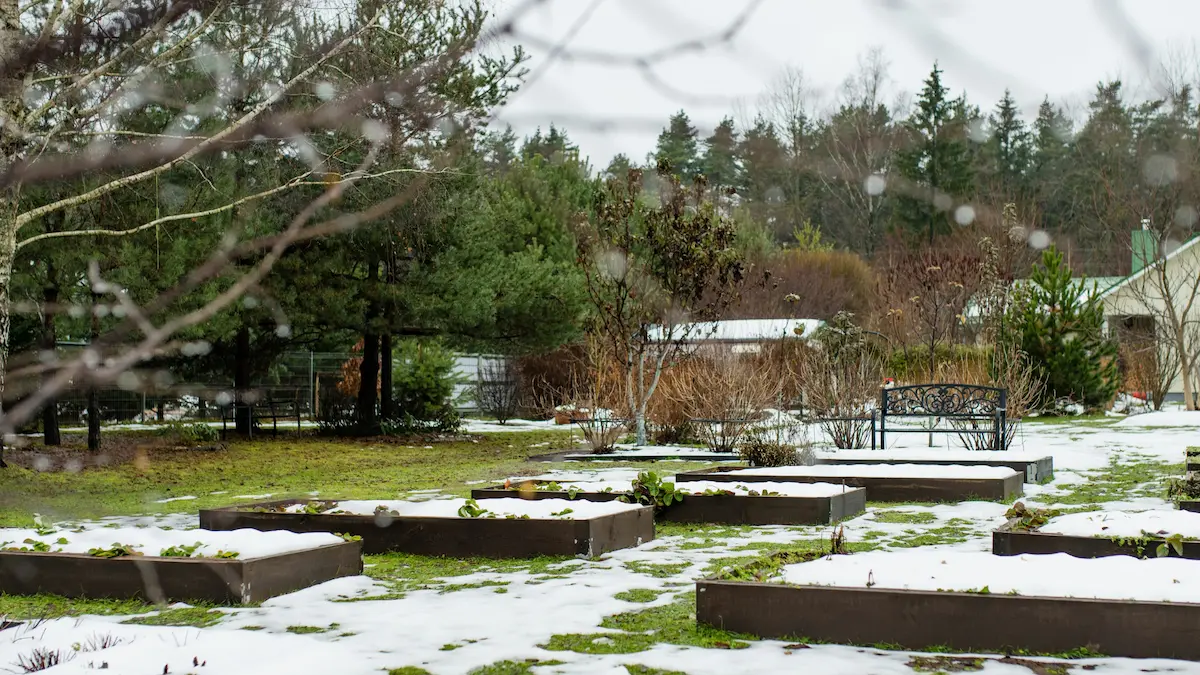
What to leave in your beds this fall, and what to add
Most fall garden advice comes down to tidying, which means pulling the spent plants, raking out the leaves, turning the soil and leaving the bed bare until spring.
On the prairies, a bare bed tends to lose more over winter than it keeps.
Wind strips the snow off it, freeze and thaw break down its structure, and spring melt carries away topsoil that took years to build.
Raylene Hugo walks through a nature-based approach to winterizing, one where the bed does much of its own work over the cold months instead of sitting stripped and exposed.
The talk follows a garden bed from the first hard frost to spring thaw in Alberta, and looks at which fall choices leave it in better shape on the other side.
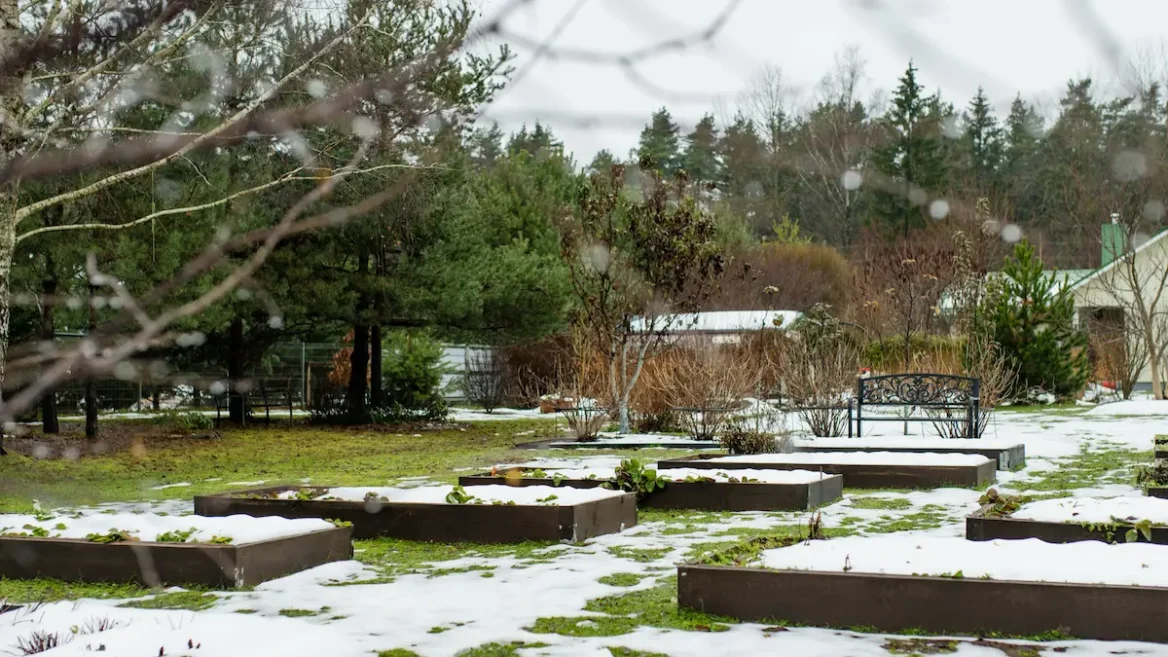
Fall is short and busy, so the talk also covers where your time pays back most. Some jobs are worth doing before freeze-up. Others are better left for nature to handle, and knowing the difference saves a few weekends.
The presentation runs about 45 minutes, followed by 15 minutes of questions. Bring questions about the bed(s) that gave you trouble this year and we’ll find a solution together.
What you’ll learn
- Come spring, some beds crumble in your hand and others pack down hard. Much of that difference is decided in the fall, and Raylene will show you which way your current routine tips it.
- Snow is the best winter cover your beds will get, and most yards let the wind carry it off. Learn how to keep it where it protects the soil and turns into spring moisture.
- The spring melt can carry away topsoil you spent years building. Find out what stands between your beds and that runoff, and why a bare bed loses the most.
- What you add to a bed this fall decides what your plants can use at planting time. Learn what to put down, and why the timing matters as much as the material.
- Some fall chores earn their time before freeze-up, and some undo work nature was already doing for you. Raylene sorts one list from the other.
- A tidy fall cleanup can remove the places next year’s pollinators and pest-eaters spend the winter. Hear what’s worth leaving standing, and who’s living in it.
$10 to attend, or free with a Guild membership
This presentation is $10, and Guild members attend free as part of their membership.
A membership is $25 for one person or $35 for a family, and it covers this talk and the other presentations the Guild runs through the fall and winter.
Come to three talks and a single membership has paid for itself. For a household of two, the family membership pays for itself by the second talk, and every membership also helps keep the Guild’s workshops running and its events affordable.
Fall is a good time to start. Become a member before you register, and the whole season of talks is ahead of you, beginning with this one.
Meet your instructor, Raylene Hugo
Raylene Hugo grows food on a rural property, where greenhouses and garden beds share the land with ducks and horses.
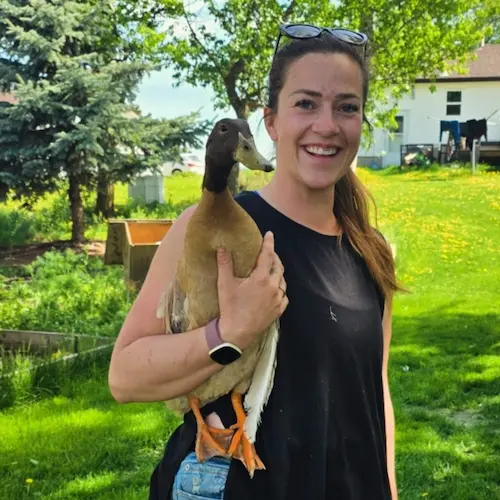
Her practice of growing is part of a larger aim, to rely as little as possible on the food system most of us depend on, and she fishes and hunts for the same reason.
That kind of self-reliance makes fall a practical season rather than a tidy one.
Raylene has learned what a bed needs to come through a prairie winter, because what she grows has to feed her household, not look good in August. She brings that working knowledge to this talk, along with plenty of room for your questions.
Why a messy fall bed often makes a better spring
Permaculture design leans on a simple idea, that a well-placed element tends to do several jobs at once. A layer of leaves on a bed in October is insulation, a snow trap, food for soil life and shelter for insects, from material most people bag for the curb. Raking it away undoes all four.
Snow works the same way.
In much of Alberta, spring moisture is not something to take for granted.
The snow that settles on a bed is water arriving in the one season the garden doesn’t need it, stored on site until the season it does. A bed that holds its snow tends to start the spring wetter and warmer at the roots than one the wind has scoured clean.
None of this asks for more work in fall. It mostly asks for less, and for a different idea of what a finished garden looks like in November.
If you want to go further after the talk, our guides on soil building and building garden beds with sheet mulch pick up where winterizing leaves off. For a full grounding in designing a property this way, from soil and water to plant guilds, the Guild’s Permaculture Design Course covers the whole system across the seasons.