A river valley nature walk for kids 8-13: how nature builds, grows & flows
Kids ages 8 to 13 explore Edmonton's river valley on a guided 3.5-hour walk, uncovering tiny animal homes, native plants, and the story of the North Saskatchewan River before winding down with hands-on nature art.
Register Here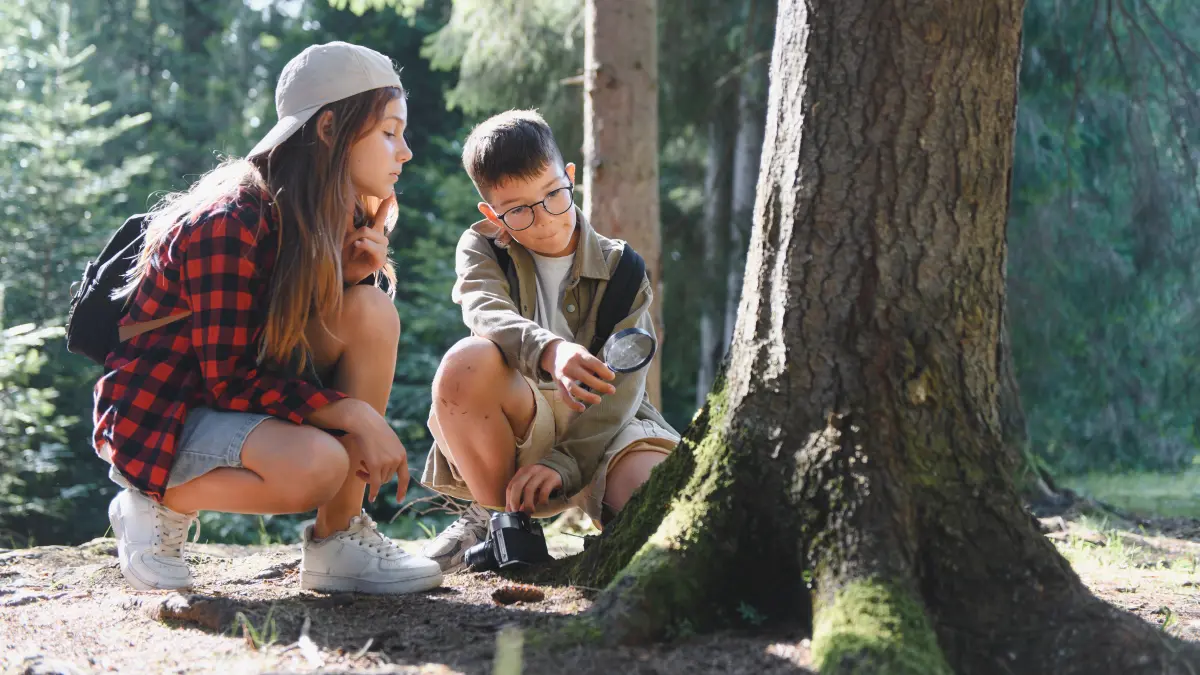
A river valley nature walk for kids 8-13 overview
Naturalist Michelle Harris leads kids ages 8 to 13 through Edmonton’s river valley for an afternoon built around looking closely. The walk moves at a kid’s pace: winding trails, real trail time, and enough room to stop, crouch down, and look closely at what’s growing or moving nearby.
Maximum Size: 15 kids
Length: 3.5 hours
Kids attend this one on their own, without a parent staying on site.
That’s intentional.
Michelle’s programs are built around giving kids room to explore alongside peers and ask their own questions, with a trained naturalist close by the whole time. Parents who’d rather stay are welcome to.
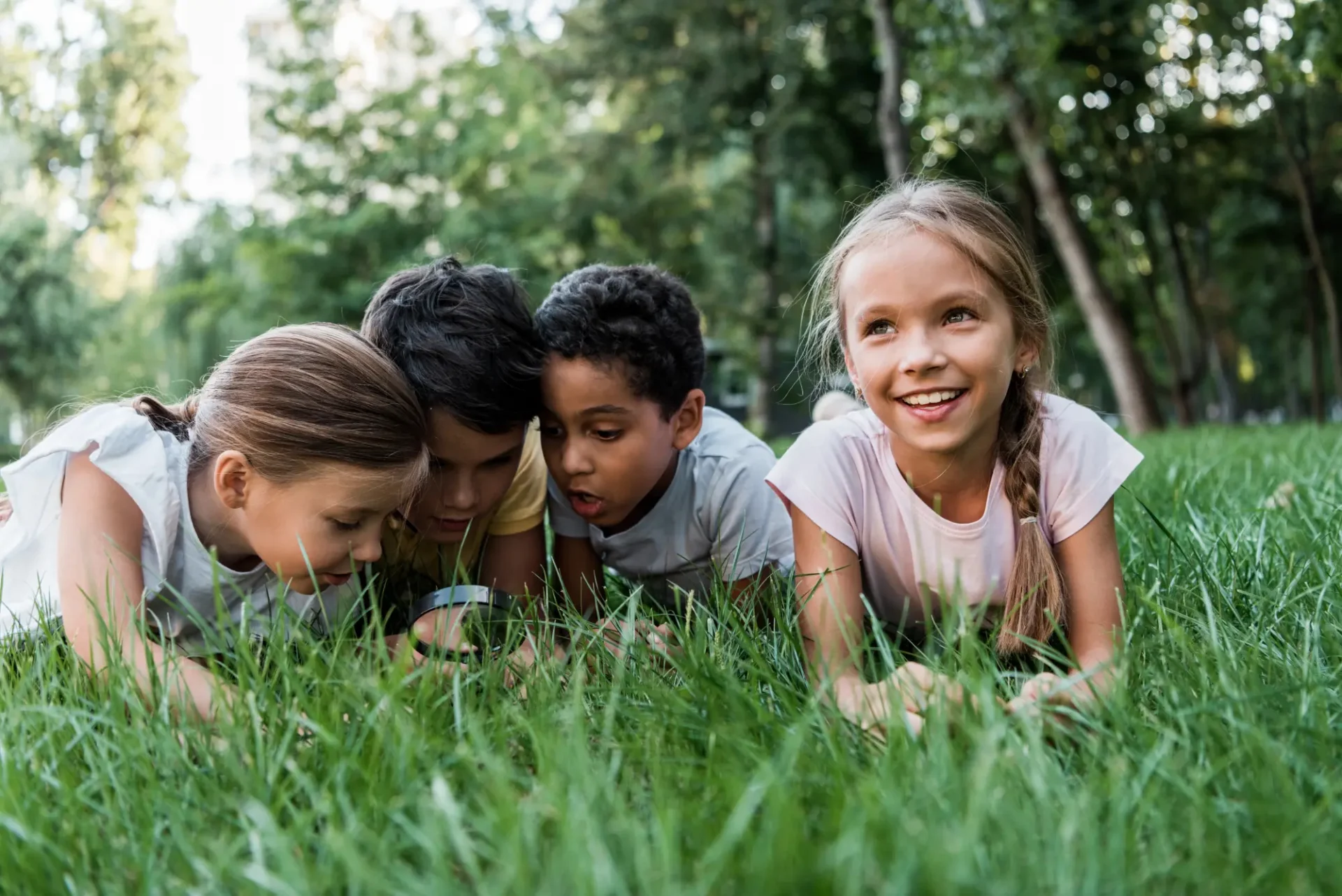
The group starts at the park entrance and works its way along the river, stopping to look under leaves, examine tracks, and take in the shape of the land itself.
Native plants, animal homes, and the river’s own path through the city all become part of the walk, not a lecture bolted onto it.
Parking is available at the Zoo lot, and the walk begins and ends at the same spot.
Look for Michelle at the south end of that lot, holding a Canadian flag so she’s easy to spot in a crowd.
The afternoon winds down with a quiet, hands-on art activity by the river before the group heads back. Kids leave with something they made, not just something they were told.
What the kids will learn
- Spot tiny animal homes tucked into the riverbank and trailside brush, and figure out what kind of creature likely built each one
- Identify native plants that feed and shelter a wide range of river valley wildlife
- Trace how the North Saskatchewan River has carved its path through the city over time
- Practice quiet, close observation and free exploration along winding river valley trails
- Make a piece of calming nature art to take home at the end of the day
Meet your instructor: Michelle Harris
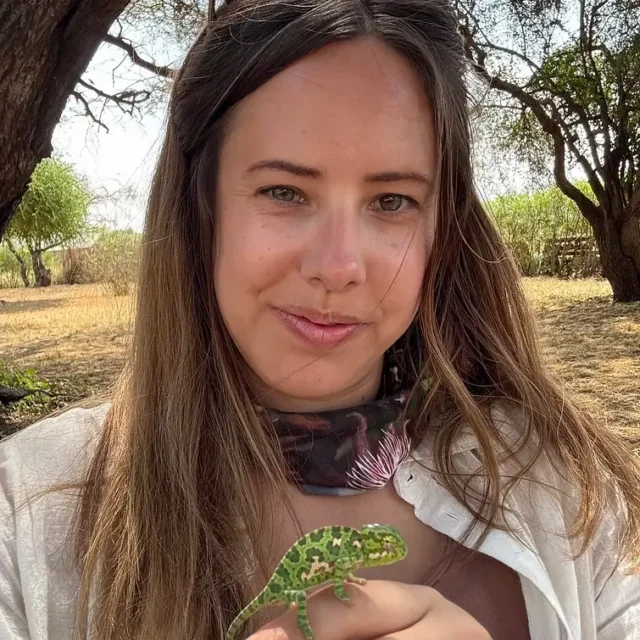
Michelle Harris is the founder of Nature Loop and the author of The Green Side of Edmonton, a guide to the city’s wild spaces. She has spent years leading kids and families through Edmonton’s river valley, teaching them to notice what’s there instead of walking past it.
Her approach is unhurried.
Michelle lets a walk slow down when something catches a kid’s attention, whether that’s an animal track, a plant nobody’s named for them yet, or a particularly good rock. The goal isn’t to cover ground. It’s to build a habit of paying attention that kids carry home with them.
Signed copies of The Green Side of Edmonton will be available on site.
Nature, kids and the habit of paying attention
Permaculture design starts with observation.
Long before anyone draws a plan or plants a bed, a good designer spends time watching how water moves, where the sun lands, and which plants show up first in a disturbed patch of ground.
Kids who spend an afternoon tracking animal homes and river paths are practicing that exact same skill, years before anyone hands them the word permaculture.
Edmonton’s river valley is one of the largest urban park systems in North America, and most kids who live near it have never walked more than a few minutes into it.
A guided afternoon with a trained naturalist changes that. It turns a green space kids pass in the car into a place they’ve been, with plants and animals they can name.
That kind of familiarity doesn’t come from a screen.
For a deeper look at what this kind of noticing can become, our former board member Nathan Binnema has spent years tracking seasonal change at one river valley site, the same kind of patient attention this walk introduces kids to in miniature.
Letting kids explore without a parent hovering nearby is part of the point.
Independence and peer connection build confidence in ways that supervised, structured activities alone can’t, and a trained naturalist close by means that independence comes with real oversight, not none.
Afternoons like this one are part of a growing track of programming for kids, building toward the Guild’s own Children’s Permaculture Camp, a multi-day camp planned to run each fall, the month after our annual Permaculture Design Course.
Together, the two are becoming the Guild’s flagship annual programs, one built for adults and one built for kids. The next camp is tentatively set for August 2027 at the Change Centre near Gainford, Alberta.