Ethical Foraging Workshop: Identify and Harvest Alberta's Wild Edibles
Learn to identify, harvest, and prepare Alberta's wild edibles on a guided foraging walk through Edmonton's landscapes. Denis Manzer teaches plant identification, safety protocols, and ethical harvesting techniques suited to prairie ecosystems and river valleys.
Register Here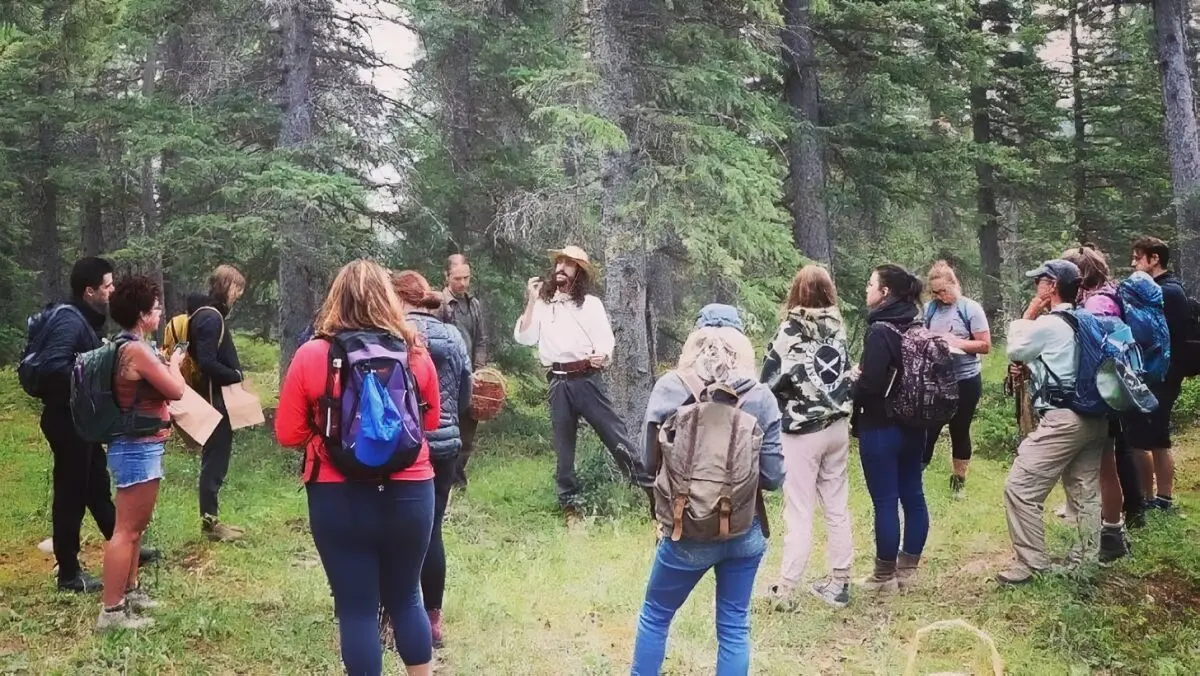
Ethical Foraging Workshop Overview
This workshop takes place in an undisclosed Edmonton location shared with registered participants shortly before the event.
Maximum Size: 15 students
Denis Manzer leads a hands-on walk through local terrain where wild edibles grow unnoticed by most people. Participants learn to identify plants by leaf shape, growth habit, and seasonal markers. The focus is observational learning first, with small-scale harvesting as part of the teaching process.
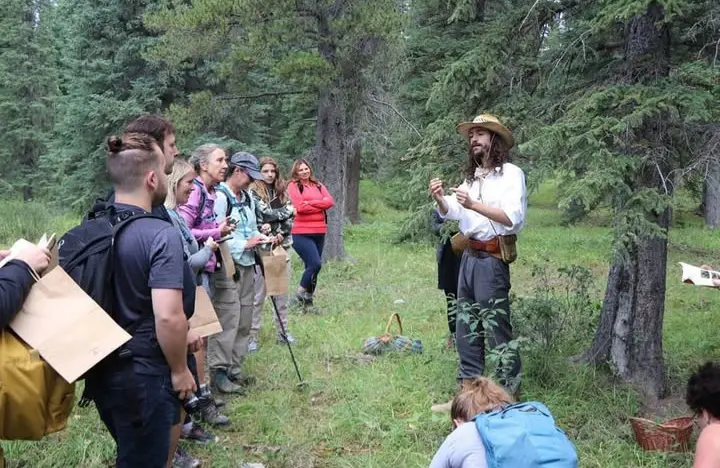
You’ll work directly with the landscape, moving slowly through areas where plants like Saskatoon berries, rosehips, wild bergamot, chokecherries, and high bush cranberries grow.
Denis explains how to distinguish edible species from look-alikes, when to harvest without damaging plant populations, and how ecological relationships shape what grows where.
The session includes a safety and ethics briefing covering positive identification requirements, toxic look-alikes, sustainable harvest limits, and legal considerations for public land foraging.
Denis will demonstrate harvesting techniques and discusses simple preservation and preparation methods.
You’ll leave with confidence identifying several wild edibles, practical knowledge about seasonal availability, and a framework for continuing to learn on your own.
This workshop suits beginners. No prior foraging experience required.
What You’ll Learn
- Identify wild edible species common to Edmonton’s river valleys and prairie edges by visual markers, growth patterns, and seasonal timing
- Recognize dangerous look-alikes and apply safety protocols that prevent misidentification and accidental poisoning
- Practice ethical harvesting techniques that leave populations healthy and ensure future abundance
- Understand ecological context including soil preferences, companion plants, and habitat indicators that reveal where specific species grow
- Prepare for independent foraging through knowledge of legal access, seasonal cycles, and simple preservation methods
Meet Your Instructor: Denis Manzer
Denis Manzer is a Calgary-based wild forager, herbalist, and educator who has been teaching hands-on foraging workshops across Alberta for over a decade. His work roots people in the edible and medicinal plants that thrive in Alberta’s foothills, river valleys, and prairie landscapes.
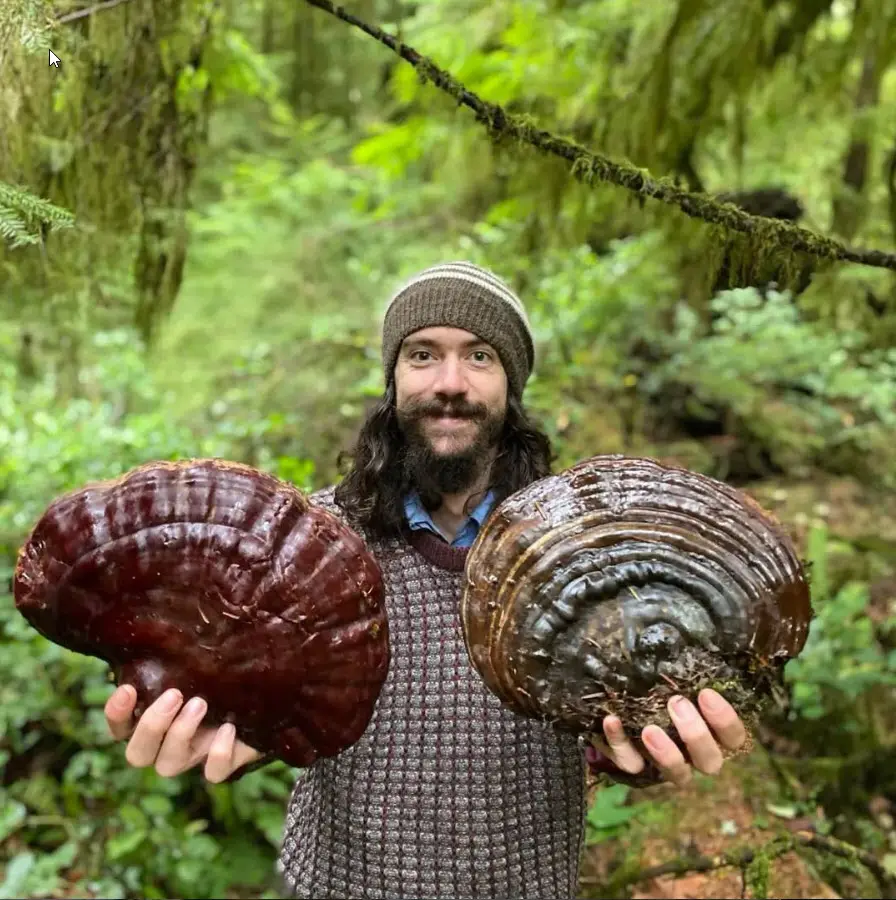
Through years of practice, Denis developed a grounded approach to wild food that balances flavour, nutrition, and ecological respect.
As a long-time instructor with The Light Cellar in Calgary, he has guided hundreds of students through plant identification, sustainable harvesting, fermentation, and medicine making.
His teaching equips people with skills to take responsibility for their own food security and build resilience in their communities.
Denis leads foraging walks and classes through his project Forage Your Food, teaching plant identification, harvest techniques, and traditional and contemporary preparation methods. He is featured in the documentary “The Food Beneath Our Feet,” which follows an educational plant walk through Calgary and explores ethical foraging in urban landscapes.
His teaching style weaves stories, practical know-how, and deep respect for place. Participants leave inspired to see Alberta’s wild spaces as living classrooms and generous food sources.
Why Wild Food Literacy Matters
Foraging reconnects people to seasonal rhythms and regional ecology in ways that gardening alone cannot.
When you learn to identify wild edibles, you begin noticing patterns. You see how water flow shapes plant distribution. You recognize companion species and understand why certain plants thrive in disturbed soil while others require undisturbed habitat.
This observational practice builds ecological literacy that applies far beyond food.
Alberta’s landscapes hold abundance most people walk past without recognition.
Saskatoons, rosehips, chokecherries, and wild bergamot grow in urban greenspaces, along trails, and in backyard edges.
These plants require no cultivation, no inputs, no care. They simply grow where conditions suit them, offering food to anyone who learns to recognize and harvest responsibly.
Ethical foraging respects limits.
Taking no more than 10-20% of what you find ensures populations remain healthy. Leaving roots intact protects perennial species. Avoiding rare plants and understanding legal boundaries keeps the practice sustainable. Denis teaches these principles as foundational, not optional.
Wild food knowledge also supports food security and community resilience. When people understand what grows locally and how to harvest it safely, they reduce dependence on global supply chains and build direct relationships with regional ecosystems.
This aligns with permaculture’s principle of working with natural abundance rather than importing solutions.
Learning to forage is learning to pay attention.
The Edmonton Permaculture Guild offers this workshop as part of broader education around regenerative food systems, ecological design, and community resilience. For participants interested in deepening their practice, our Permaculture Design Course covers food forests, foraging as part of Zone 5 management, and integration of wild food into property design.