Community Gardens and Food Sovereignty with New Grocery Movement
Learn community garden strategies from New Grocery Movement. Discover how the Mill Creek Healing Park project combines food production, accessibility, and neighbourhood connection.
Register Here
From Garden Club to Healing Park
New Grocery Movement started with a simple question: what if more people could grow their own food without needing land, tools, or experience?
The NGM Garden Club answered that by providing everything needed to start: plots, seeds, soil, water, and guidance.
What began as a supported way for community members to garden has evolved into the Mill Creek Healing Park project, transforming an underused public green space at 95A Street and 82 Avenue into a community-designed healing park and long-term garden hub.
Tonight’s presentation brings together the people doing this work.
You’ll hear about the Mill Creek Healing Park project, learn practical strategies for starting and sustaining community gardens, and meet experienced Garden Club members who share what they’ve learned through challenges, successes, and ongoing experimentation.
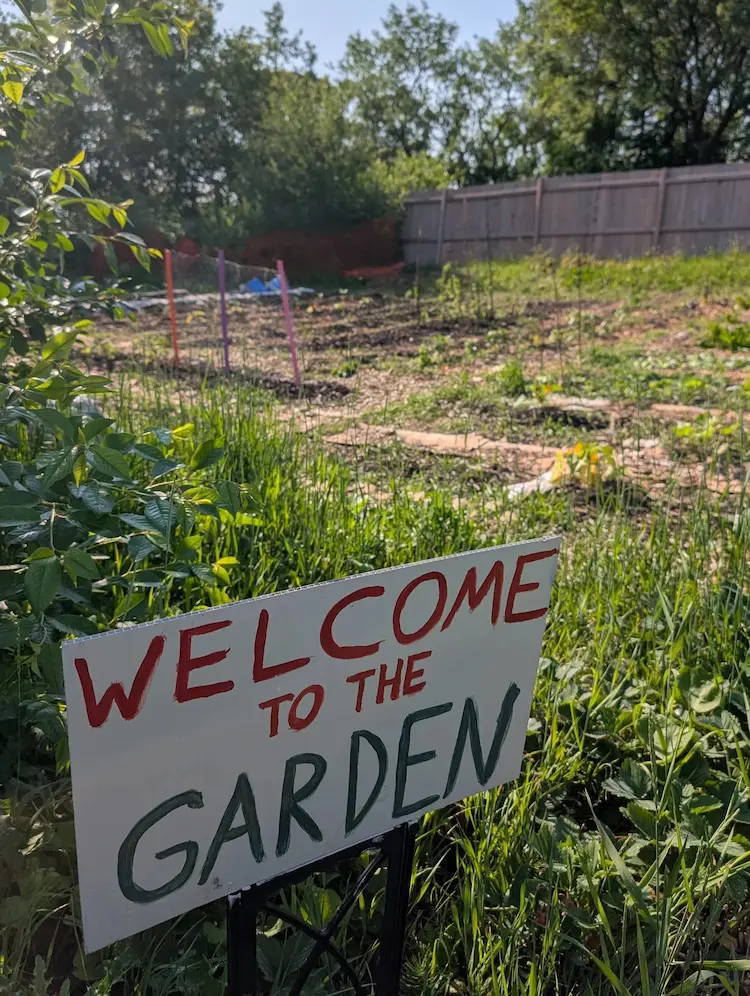
This is about more than gardening techniques. It’s about building food sovereignty, creating gathering places, and designing spaces where community connection grows alongside vegetables.
What You’ll Learn
- How the Mill Creek Healing Park project works, from initial vision through city designation process and community governance structures
- Practical strategies for starting community gardens including site selection, securing land access, and building partnerships with municipalities
- Building accessible programs that lower barriers through shared tools, seeds, soil, water, and educational support
- Creating inclusive spaces focused on equity-deserving communities while remaining open to all skill levels and backgrounds
- Balancing multiple goals – food production, ecological restoration, urban biodiversity, mental and physical wellbeing, and community gathering
- Sustaining engagement beyond the growing season through winter programming, planning meetings, and skill-sharing events
- Real challenges and solutions from Garden Club members who’ve navigated obstacles and found what works
The presentation covers the vision behind Mill Creek Healing Park, then opens into Q&A and discussion with community garden members who possess deep knowledge from hands-on experience. You’ll hear about challenges they’ve faced, solutions that worked, and tips for building strong community around shared food-growing spaces.
About New Grocery Movement
New Grocery Movement is a Canadian nonprofit based in Edmonton that works on community food sovereignty by helping people access, grow, and share sustainable local food through education, events, and hands-on gardening projects.
Their work emphasizes reimagining groceries and building food systems that challenge how the dominant system works for most people. Operating on Treaty 6 Territory, they partner with local farmers, gardens, and neighbourhood organizations to create more just and resilient local food networks.
The NGM Garden Club provides tools, seeds, seedlings, plots, soil, water, and guidance so more people can grow food regardless of prior experience or resource access. It’s framed as more than just a community garden, with strong focus on relationships: with the land, with sustainable practices, and with a like-minded gardening community.
The Garden Club received the 2024 Pop-Up Community Garden Award in Edmonton’s Communities in Bloom Awards for its impact and innovation.
The Mill Creek Healing Park project represents NGM’s long-term vision. The park aims to improve urban biodiversity through re-naturalization, support community-building and reconnection with land, develop food-growing skills that build food sovereignty, and promote mental and physical wellbeing. NGM is leading a process with the City of Edmonton to formally designate the space as both community garden and community park, with an Advisory Board guiding design and governance.
A key part of the vision is working alongside Indigenous neighbours to create a space that supports healing, traditional food practices, and reconciliation.
Community Gardens and Food Sovereignty
Community gardens succeed when they build more than plots. They create gathering places where people learn together, share knowledge, and support each other through growing seasons and beyond.
When neighborhoods establish community food-growing spaces, they take steps toward food sovereignty. People gain skills, reduce reliance on commercial supply chains, and build resilience against disruption.
The Mill Creek Healing Park demonstrates how that works at neighbourhood scale. The project weaves together urban biodiversity, community care, and collaboration with Indigenous neighbours to create spaces where food security and ecological health support each other.
For those thinking about starting community gardens or improving existing ones, NGM’s experience offers grounded insights from people doing the work. They understand what thrives in Edmonton conditions, how to navigate city processes, and how to sustain community engagement when challenges arise.
This evening offers access to that knowledge, plus the chance to meet other people working toward similar goals. Whether you’re exploring the possibility of starting a community garden, looking to improve an existing space, or simply curious about how neighborhoods are building food sovereignty, this is where to connect and learn.