Climate-adapted plant propagation, and where to get trees and seeds that suit Edmonton
Register Here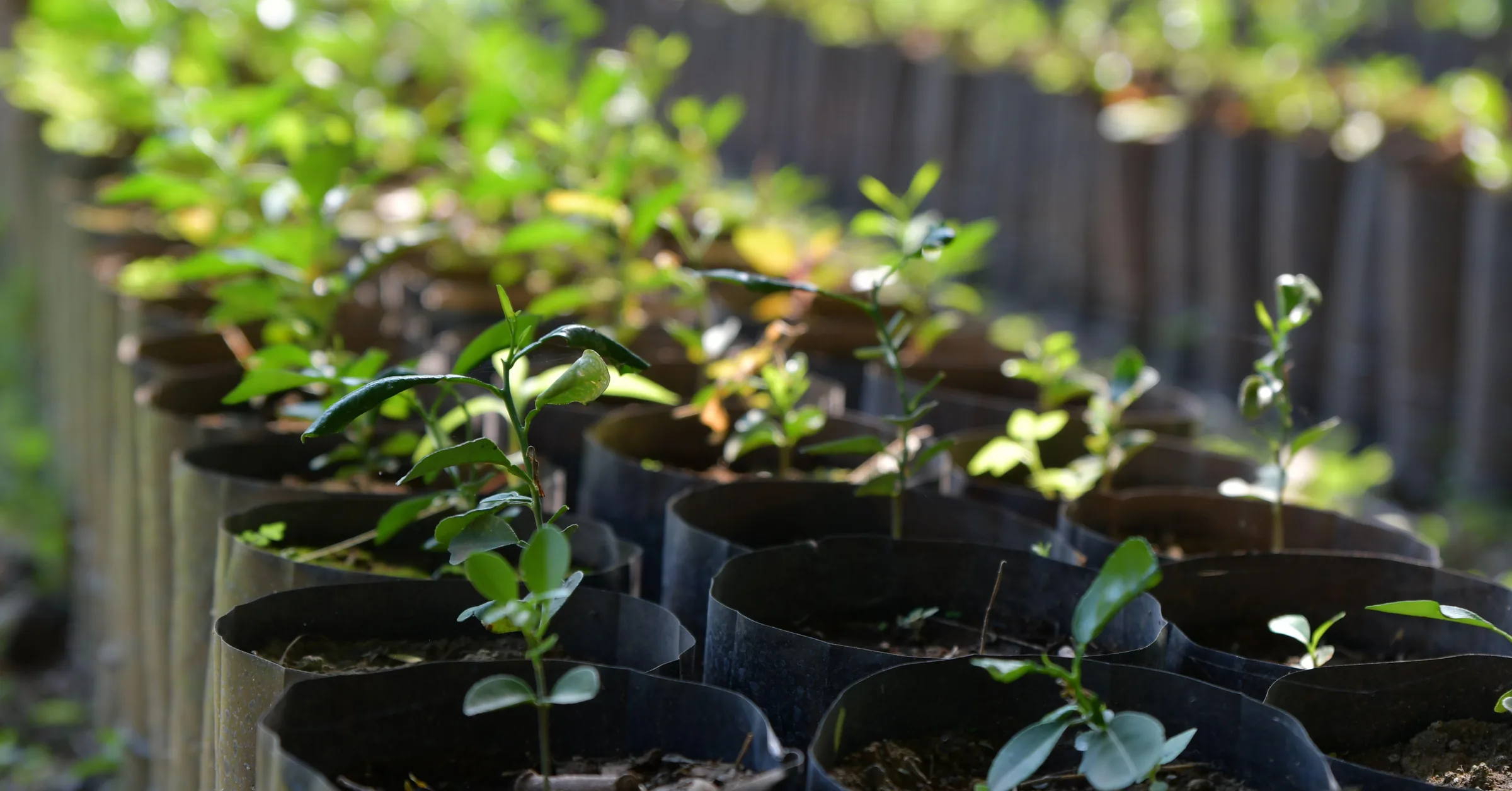
Where trees and seeds that suit Edmonton come from
A tree from a garden centre may have started life a long way from here, in a climate that never asked it to survive January on the prairies. A seedling grown a few blocks from where it will be planted has started life in the conditions it will live in.
The Edmonton Permaculture Guild and the Ritchie Community League present Dustin Bajer and Chelsea Boos, two people working on that problem from different ends. Dustin organizes community tree nurseries, small nurseries in neighbourhood yards that grow trees for the streets around them. Chelsea and a group of fellow growers are building a community seed bank and lending library for open-pollinated food seeds and native plant seeds.
Both projects rest on the same idea, that the best source of plants for this place is often the people already growing them here. The talk covers how each one works, and the ways you can source, propagate, share and save plants adapted to this region yourself.
The evening is free. It is part of the Guild’s speaker series and open to all ages.
What you’ll learn
- A neighbourhood nursery can raise well over a hundred trees on a single pallet. Hear how one is built, and what happens to the trees once they are big enough to plant.
- One Edmonton neighbourhood has set out to plant 1,000 trees grown by its own residents. Find out how that works, and what it would take to start something like it where you live.
- Seed saved from plants that came through a summer here carries some of that summer into the next generation. Chelsea explains why that matters, and why a bad growing year can be a good year for seed.
- Some of the plants best suited to your yard are not for sale anywhere. Learn how a community seed library works and how to use one.
- Growing a tree from seed is within reach of most backyard gardeners. Hear where to start, and which early mistakes tend to cost a season.
Meet the speakers
Dustin Bajer

Dustin Bajer is an Edmonton educator, master gardener and urban beekeeper who founded the Edmonton Guerrilla Gardeners in 2007 and has been growing trees in this city ever since. As a teacher at Jasper Place High School he built a courtyard food forest at the school, and he has since trialled about 145 species to see what will grow here.
He runs Forest City Plants, an urban nursery, and founded Shrubscriber, a community that grows and funds free trees for schools and community groups. His work has earned Edmonton in Bloom’s Permaculture Award and its Urban Forestry Award. He has said, half joking, that the goal is to “turn this from one tree-growing weirdo into a small army of tree-growing weirdos.”
Chelsea Boos

Chelsea Boos has gardened in Edmonton since childhood. She started alongside her mother, Sandra. An artist and designer, she runs Sinusoid Nursery, growing climate-adapted, open-pollinated plants in the aspen parkland along the North Saskatchewan River and selling the seeds and plant starts that come from them.
She teaches workshops on seed saving and seed libraries, and this fall she and her fellow growers quietly opened the community seed bank and lending library she will talk about. Her seed-saving notes make a point any prairie gardener will recognize, that “a bad seed growing year is a good seed selection year.”
Why plants grown here tend to do better here
Permaculture design starts with what a place already has, and in a city that includes the gardeners on your own street. A plant grown and saved locally has been shaped, season after season, by the cold and the short summers it will face. A plant shipped in has not.
Community nurseries and seed libraries keep the know-how in the neighbourhood along with the trees and seeds, so the next person who wants to grow one has someone nearby to ask.
If you want to find growers near you, the Guild’s business directory lists local nurseries and plant suppliers. For a full grounding in designing a property around plants that suit it, the Guild’s Permaculture Design Course covers the whole system. The speaker series stays free because people support it, and a donation helps cover the cost of evenings like this one.