People Care
Support neighbours, learning, wellbeing through shared skills and steady cooperation. Strengthen networks helping households grow food, respond together to challenges across Edmonton.
Learn Permaculture Skills That Strengthen Edmonton’s Land, People, and Future
Join a community creating sustainable change right here at home. Get involved with our hands-on education, local projects, and practical tools designed to help you grow food, restore ecosystems, and build resilience in every season.
What is Permaculture?
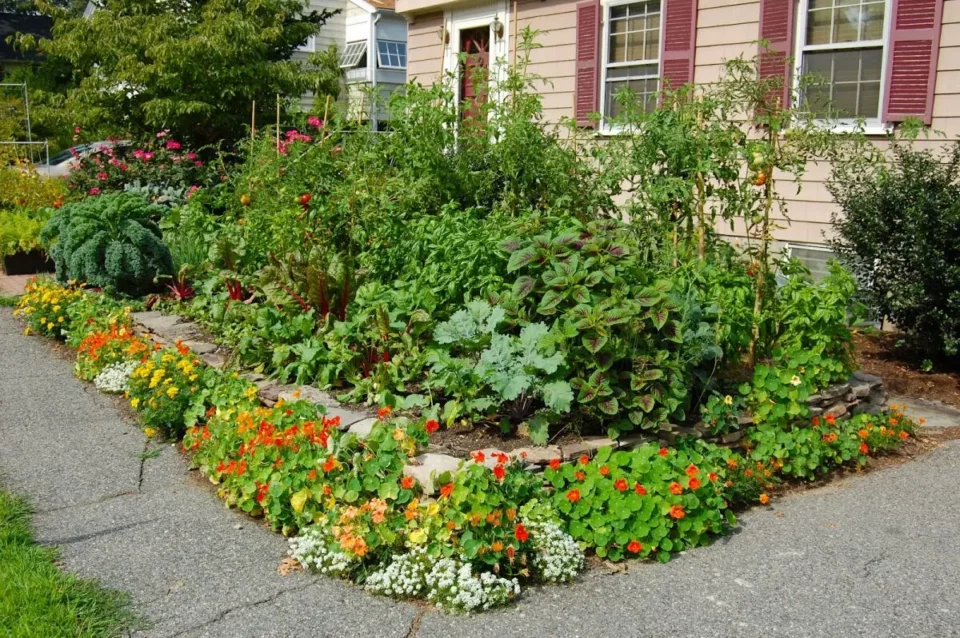
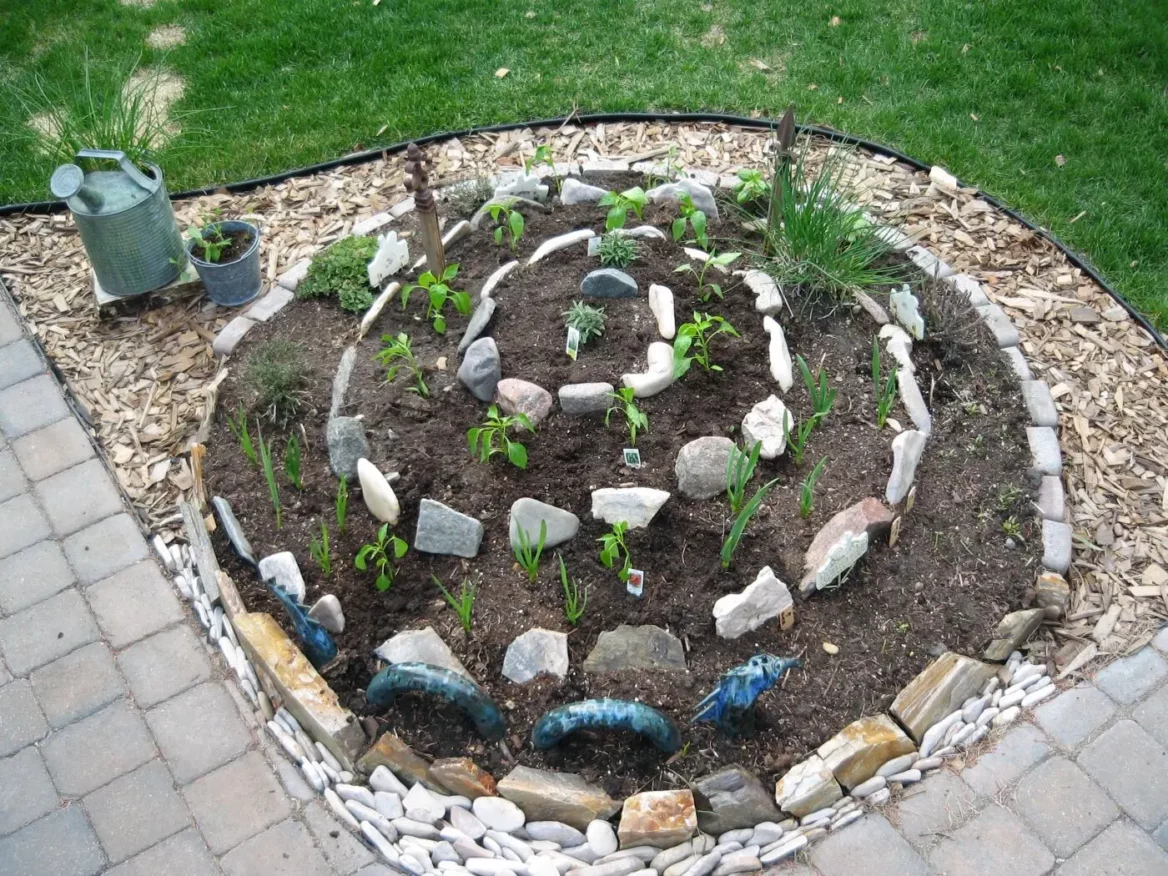
Permaculture is a design approach rooted in observation, care, and long-term thinking. It helps people plan gardens, homes, and neighbourhood spaces that support food production, soil health, and community resilience. The goal is simple: create systems that work with nature, not against it.
At the heart of permaculture sit three guiding ethics. These ethics shape every decision, from how we grow food to how we support each other across Edmonton.
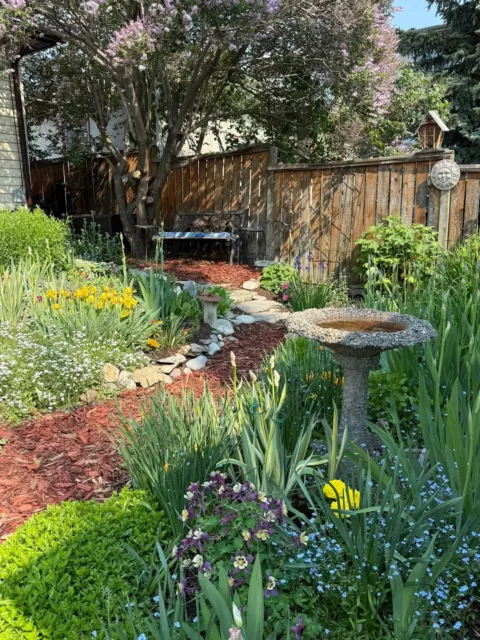

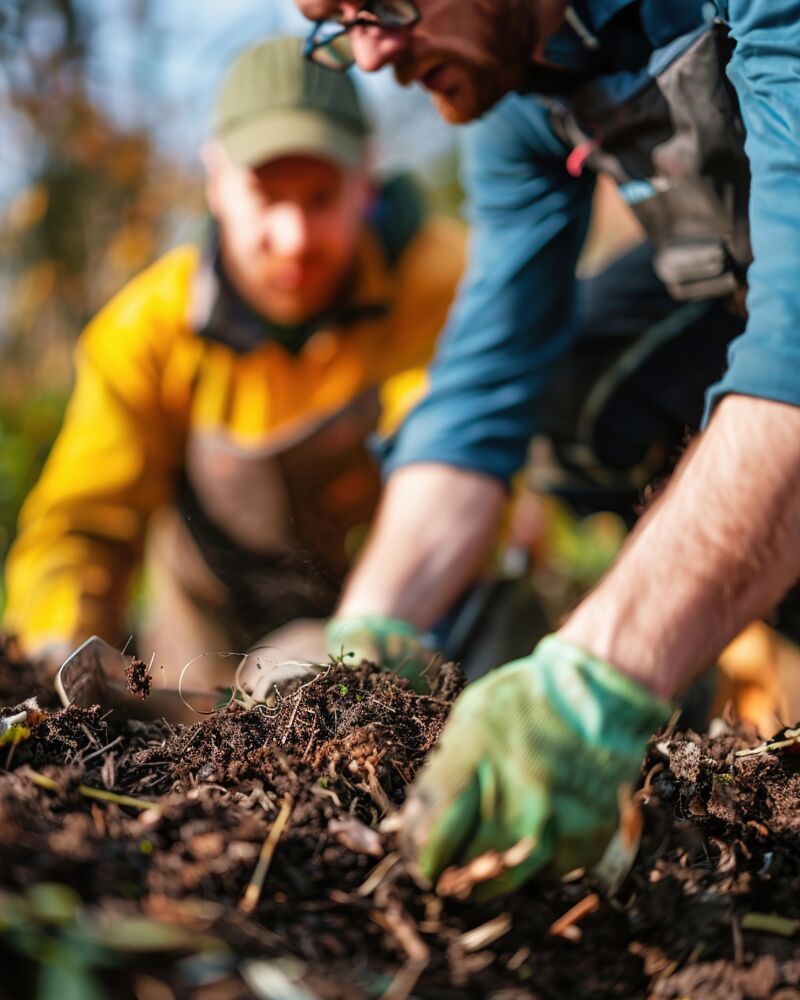
Support neighbours, learning, wellbeing through shared skills and steady cooperation. Strengthen networks helping households grow food, respond together to challenges across Edmonton.
Support soils, water, plants, wildlife through thoughtful design. Strengthen natural cycles, reduce waste, guide local spaces toward renewal steadily across Edmonton and nearby communities.
Guide resources toward balanced use and wider access. Support systems where surplus returns to projects, gardens, shared spaces, steadily strengthening resilience across Edmonton households.
Turn Ideas Into Action With Twelve Time-Tested Design Strategies
The principles translate permaculture ethics into practical decisions. Each one guides how you observe your space, work with resources, and design systems that produce food, manage water, and build resilience.
Watch patterns before acting. Study sunlight, water flow, soil conditions across seasons. Design responds to what land shows you, creating solutions suited to your specific site and needs.
Capture resources when abundant for later use. Harvest rainwater, preserve food, build soil fertility during growing months. Store summer's energy to support needs through winter's challenges.
Design systems that produce tangible returns. Grow food, reduce costs, build skills, strengthen community connections. Each project should offer real benefits that sustain your effort and investment.
Place elements where they support each other. Chickens fertilize gardens, gardens feed chickens, both reduce waste. Connections between parts create stability and reduce work over time.

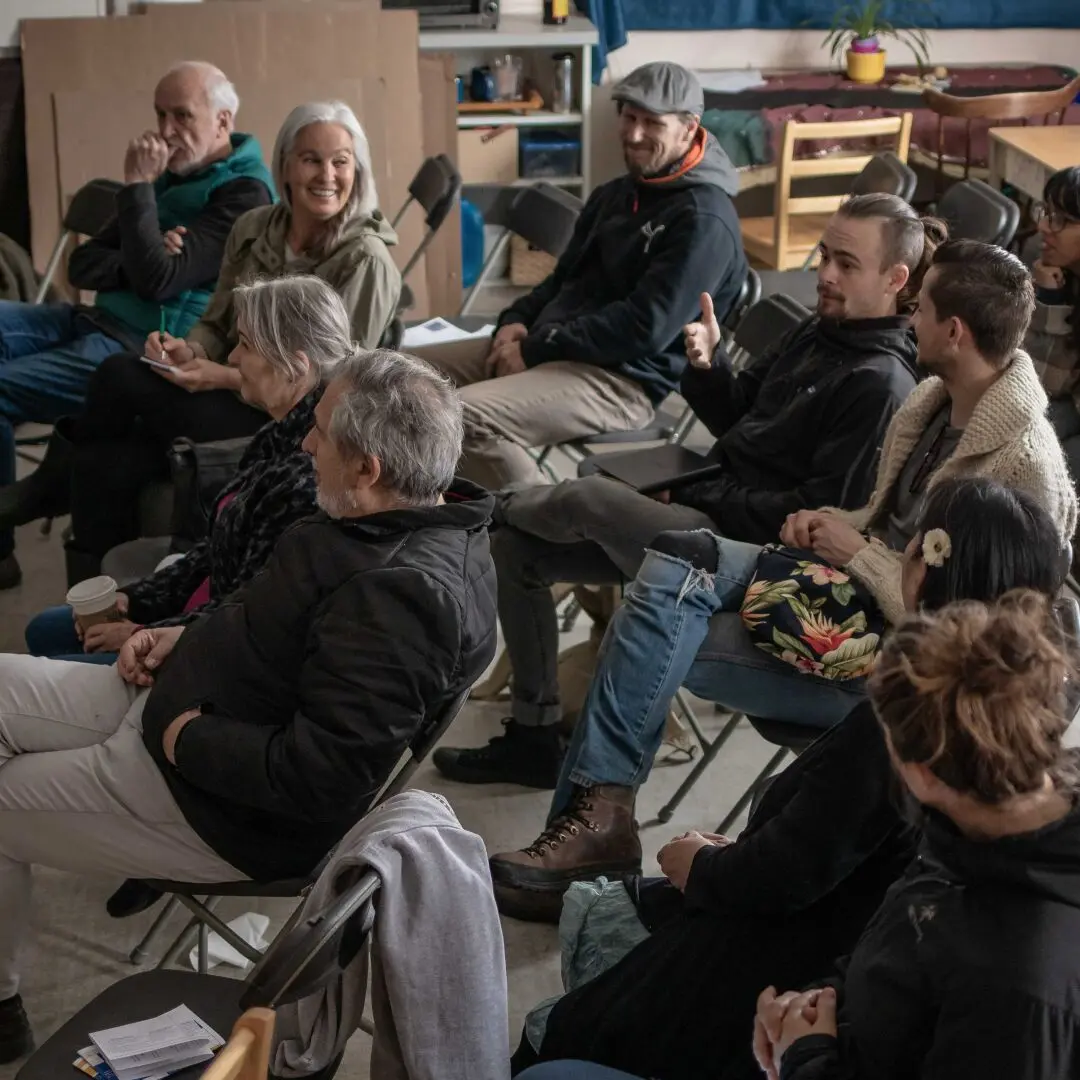
Turn Design Principles Into Working Systems That Feed, Shelter, and Sustain
These six practice areas show how permaculture ethics and principles create real systems. Each one addresses essential needs through design that builds resilience, reduces waste, and strengthens connections between people and place.
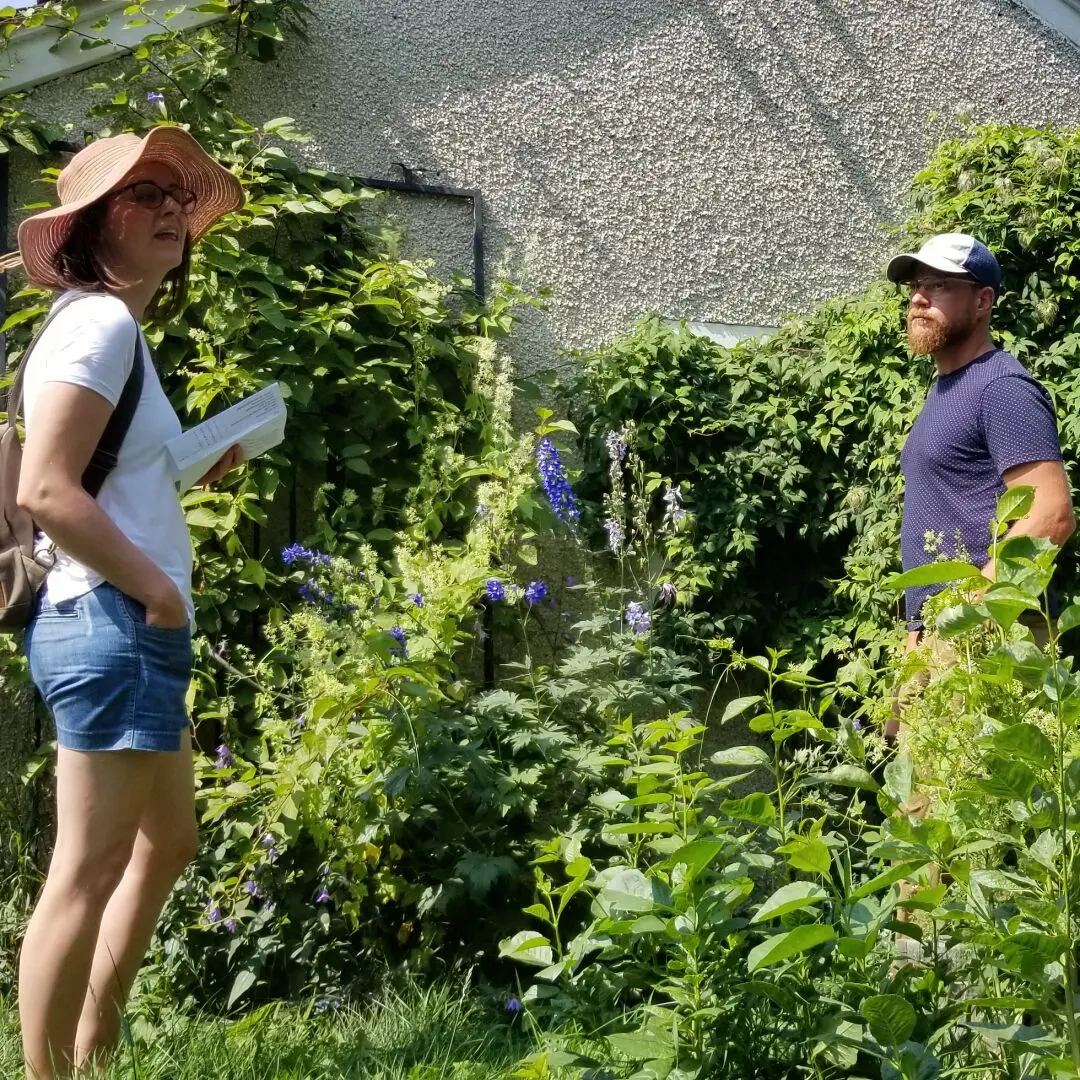
Design gardens and food forests that build soil, support pollinators, and produce diverse harvests through companion planting, perennials, and observation-based planning.
Capture rainwater, slow runoff, and store moisture through swales, ponds, and earthworks. Manage greywater to support plants and prevent erosion during dry periods.
Plan homes using natural materials, passive solar orientation, and climate-responsive design. Reduce energy needs while improving comfort through thoughtful integration with surrounding landscape.
Choose renewable systems and appropriate technology matched to actual needs. Solar installations, efficient heating, and low-tech solutions maintain reliability through seasonal temperature changes.
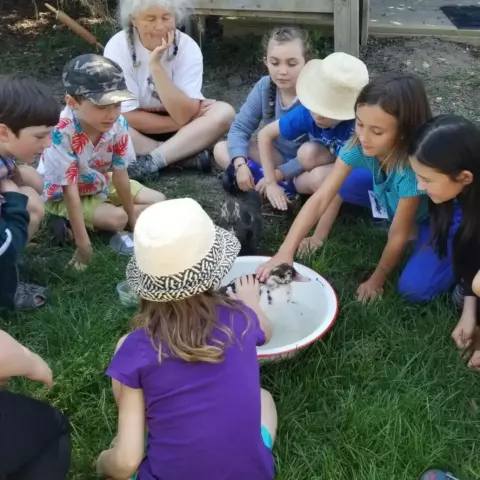
Build networks of shared learning, mutual aid, and cooperative decision-making. Create social resilience through resource distribution and collective problem-solving across neighbourhoods.
Support local exchanges, skill sharing, and businesses that circulate wealth within communities. Strengthen regional food systems and enterprises prioritizing ecological health over extraction.
A Fully Immersive Permaculture Design Certification
Spend two weeks immersed in whole-systems design at a 130-acre retreat on the Pembina River. Learn to read landscapes, harvest water, build soil, and design food systems that work with nature rather than against it.
Learn About Permaculture Through Hands-On Projects
We host workshops, site tours, expert sessions, and social gatherings throughout the year. Each event builds practical skills, deepens understanding of permaculture principles, and connects people working toward regenerative goals.
Permablitz events bring volunteers together for one-day installations. Crew members help build food forests, garden beds, and water systems while learning design techniques they apply at home.
Join us to learn, contribute, and grow alongside your neighbours.

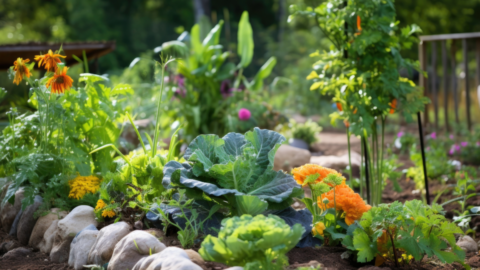
Our directory connects you with practitioners and businesses working in regenerative systems across Alberta and Western Canada.
Find permaculture designers, regenerative farms, natural builders, ecological consultants, and specialty suppliers committed to building healthier landscapes and communities.
Each listing includes services offered, expertise areas, and regional focus. Categories range from beekeeping and pasture-raised meat to food rescue networks and wilderness skills educators.
Planning a food forest, backyard redesign, or whole-property transformation? Start with a designer who understands your climate and goals.

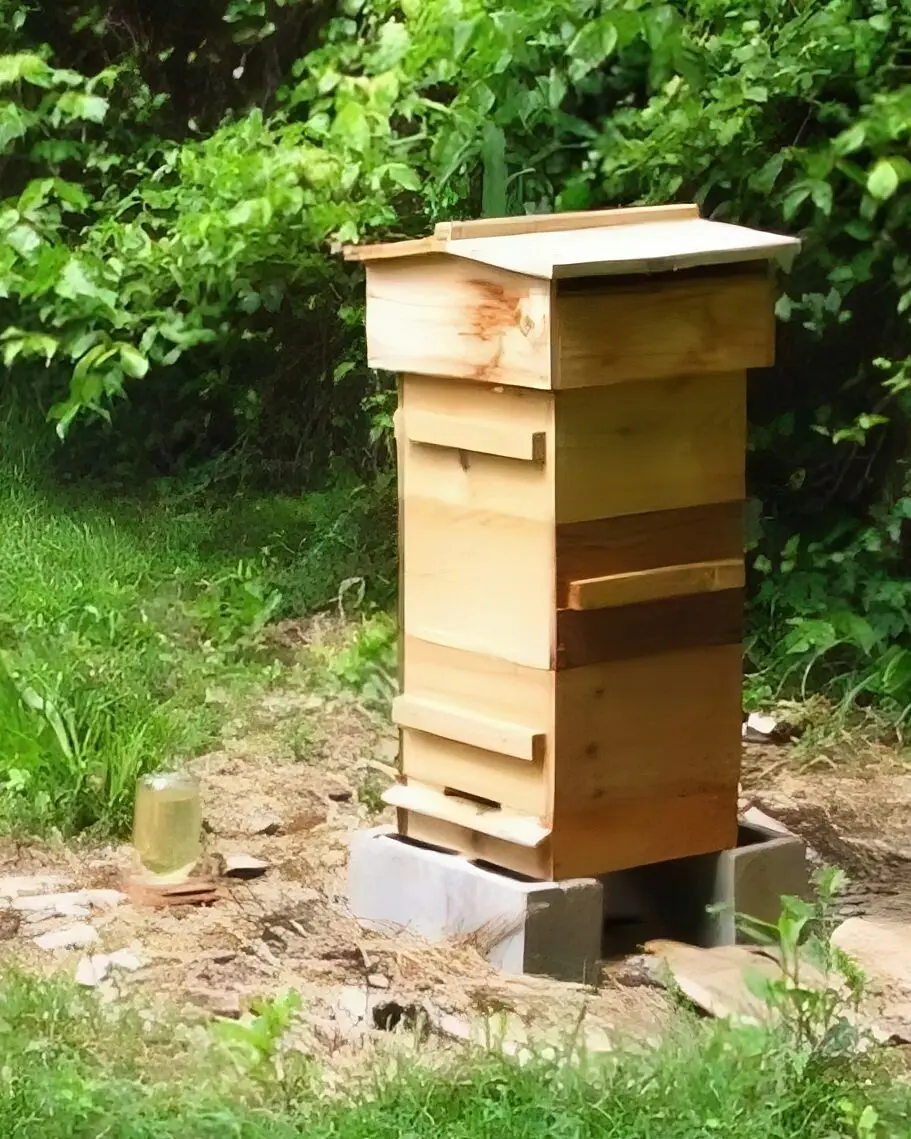
Strengthen Your Practice and Support Regenerative Change
The Guild thrives through active participation. Whether you join as a member, volunteer your time, or contribute financially, your involvement helps grow permaculture education, accessible events, and community resilience across the region.
Access event discounts, networking opportunities, directory listings, and shared resources while connecting with practitioners building resilient systems across the region.
Help with events, garden projects, and community builds. Gain hands-on experience while strengthening local food systems and ecological literacy.
Fund workshops, scholarships, and community projects. Your contributions keep events accessible and grow permaculture education throughout Western Canada.